
Whether you are a first-time buyer or a seasoned investor, one of the most important decisions you will face in the Abu Dhabi real estate market is choosing between residential and commercial property. Both asset classes offer compelling opportunities — but they come with different risk profiles, return expectations, and management demands.
In this guide, we break down everything you need to know to make a smart, informed investment decision in one of the world’s most dynamic property markets.
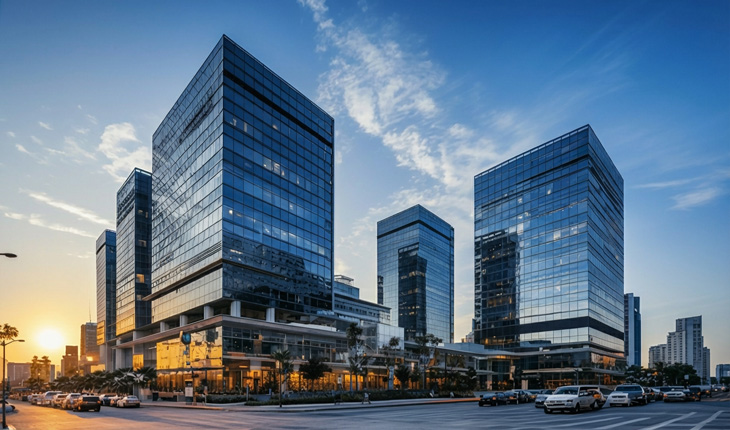
What Is Residential Real Estate?
Residential real estate refers to properties built and designated for human habitation. This includes apartments, villas, townhouses, and family homes. In Abu Dhabi, residential properties are in high demand across premium communities such as Al Reem Island, Saadiyat Island, and Yas Island — areas that continue to attract expatriates, professionals, and growing families.
Key features of residential real estate:
- Designed for living and long-term habitation
- Lease terms are typically short to medium (one year, renewable)
- Consistent demand driven by population growth and expatriate inflow
- Easier to finance, making it an accessible entry point for new investors

What Is Commercial Real Estate?
Commercial real estate includes properties used for business activities: office spaces, retail units, warehouses, industrial facilities, and mixed-use commercial developments. Abu Dhabi’s commercial sector is evolving rapidly, with major hubs like Abu Dhabi Global Market (ADGM) on Al Maryah Island emerging as world-class financial and business destinations.
Key features of commercial real estate:
- Designed to support business operations and generate income for companies
- Lease terms are significantly longer — typically 3 to 10 years or more
- Tenants are often corporations or established institutions, ensuring lease stability
- Requires a higher capital investment but can deliver stronger yields

Residential vs. Commercial Real Estate in Abu Dhabi: A Head-to-Head Comparison
1. Return on Investment (ROI)
When it comes to returns, commercial real estate in Abu Dhabi generally offers higher rental yields compared to residential properties. The combination of longer lease terms, larger floor areas, and corporate tenants means rental income is both larger and more predictable over time. Residential properties, while delivering lower yields relatively, offer consistent and steady income due to the perpetual demand for housing.
2. Market Risk and Volatility
Commercial real estate is more sensitive to economic cycles. During periods of economic slowdown, companies may downsize, relocate, or exit the market entirely — increasing vacancy rates. Residential properties, by contrast, tend to be more resilient. People will always need a place to live, which is why residential demand in Abu Dhabi has remained robust even during global economic disruptions.
3. Tenant Profile
In commercial real estate, your tenants are typically businesses and multinational corporations. This translates into professional lease agreements, greater accountability, and less frequent tenant turnover. In residential real estate, tenants are individuals and families — a larger pool of potential renters, but with shorter lease cycles and more frequent changeovers.
4. Entry Costs and Financing
One of the most significant advantages of residential property investment in Abu Dhabi is its accessibility. Mortgages and financing options are more readily available for residential purchases, and entry-level investment thresholds are lower. Commercial real estate requires substantially higher capital outlay and often comes with more complex financing structures — making it better suited to experienced investors with deeper pockets.
5. Property Management and Maintenance
Managing a residential property is generally more straightforward. Maintenance tends to be routine, and the owner carries primary responsibility for upkeep. Commercial properties, on the other hand, often require specialized management. However, many commercial leases are structured so that tenants share or take full responsibility for operational costs, which can offset the complexity.

Abu Dhabi Real Estate Market: Why Now Is a Smart Time to Invest
The Abu Dhabi property market is currently experiencing one of its strongest growth cycles in years. A growing population, ambitious government infrastructure projects, and a sustained influx of high-net-worth individuals and businesses are all fueling demand across both residential and commercial segments.
On the residential side, areas like Al Reem Island, Saadiyat Island, and Yas Island are seeing healthy price appreciation alongside strong rental demand. These are master-planned communities offering world-class amenities, international schools, and lifestyle infrastructure — all major drivers of long-term value.
On the commercial side, Abu Dhabi’s strategic positioning as a global financial center — anchored by ADGM on Al Maryah Island — continues to attract international firms, fintech companies, and professional services organizations. This creates a strong pipeline of corporate tenants seeking quality office space on long-term leases. Additionally, demand for logistics, warehousing, and industrial facilities is rising in tandem with Abu Dhabi’s growing trade activity.

Key Factors to Consider Before You Invest
Define Your Investment Goals: Are you seeking high short-term yields or long-term capital stability? Commercial real estate may suit aggressive growth strategies, while residential properties are better aligned with conservative, long-horizon investment plans.
Location is Everything. In residential real estate, proximity to schools, hospitals, public transport, and retail centers drives rental demand. In commercial real estate, closeness to financial districts, ports, and business hubs attracts quality tenants. Both asset types reward investors who choose location wisely.
Factor In All Costs. Do not underestimate ongoing expenses: maintenance, insurance, property management fees, service charges, and vacancy periods all eat into your net yield. A property that looks attractive on paper may underperform once real costs are accounted for.
Consider Portfolio Diversification. The most sophisticated investors in Abu Dhabi’s real estate market often hold both residential and commercial assets. A diversified property portfolio balances the stability of residential income with the higher upside potential of commercial investments.

Final Verdict: Which Should You Choose?
Residential real estate
Residential real estate offers moderate but stable rental yields, lower entry costs, and very high demand stability — making it the ideal choice for new and conservative investors who want reliable income without excessive complexity. Lease terms are shorter, management is straightforward, and the perpetual need for housing keeps vacancy risks low even in uncertain economic climates.
Commercial real estate
Commercial real estate, on the other hand, delivers higher yield potential and benefits from long lease durations with professional corporate tenants. However, it requires a significantly larger capital outlay, more hands-on management, and carries greater exposure to economic fluctuations — making it better suited for experienced investors with the resources and expertise to navigate a more complex asset class.
In short: if you are starting or prefer a steady, lower-risk return, residential is your foundation. If you are ready to scale and seek a stronger upside, commercial is your next move.
Ready to Invest in Abu Dhabi Real Estate?
At Gravity Real Estate, our team of dedicated property consultants specializes in matching investors with the right opportunities across Abu Dhabi’s residential and commercial sectors. Whether you are buying your first investment apartment or building a commercial portfolio, we are here to guide every step of your journey.Contact Gravity Real Estate today, and let’s find the property that works hardest for your goals.