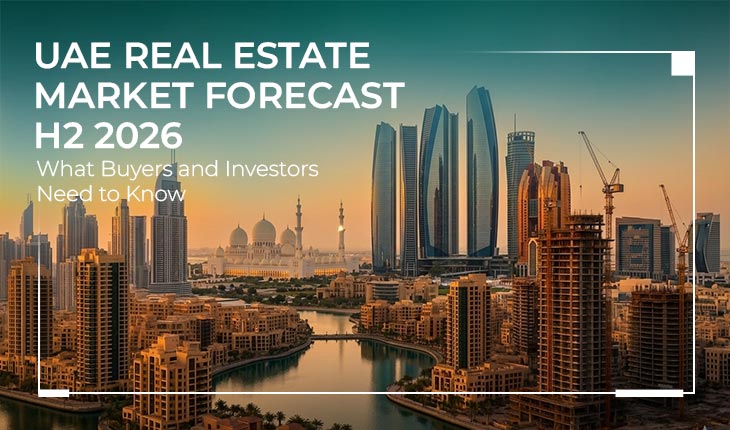
Let’s be honest — the UAE property market has not exactly been boring lately. From the post-pandemic surge through the record-breaking years of 2022 to 2024, investors and homebuyers watched prices climb at a pace that felt almost surreal. Conversations at dinner tables, in office lobbies, and across WhatsApp groups all kept circling back to the same thing — new launches, off-plan deals, and who just made a serious return on a property they bought two years ago.
Now, heading into the second half of 2026, the energy feels different. Not alarming — just different. The market has not fallen apart. But it has changed in ways that matter, and if you are thinking about buying, selling, or investing, understanding those changes is genuinely important.
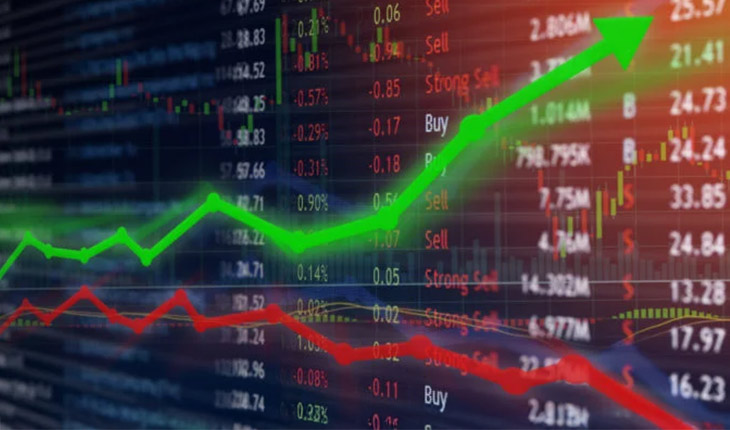
So, is the Market Going Up or Coming Down?
Honestly? Neither — and that is actually more reassuring than it sounds.
What we are seeing across Abu Dhabi and Dubai right now is what market analysts describe as “mature growth.” It is not the rollercoaster of 2022 to 2024, and it is certainly not a crash. It is a market that has found its footing and is moving with more intention and more stability than it has in years. In real, practical terms, here is what that looks like:
- Annual price growth of roughly 2% to 8%, varying by area and property type
- Stabilization in some previously overheated zones that saw aggressive price jumps in earlier years
- Continued strength in well-planned new communities and off-plan developments backed by trusted developers
- Noticeably more negotiating power for buyers compared to any point in the last three years
For anyone who felt rushed or priced out during the boom years, this environment is a genuine breath of fresh air. There is space now to think, compare, and make a decision you actually feel good about.
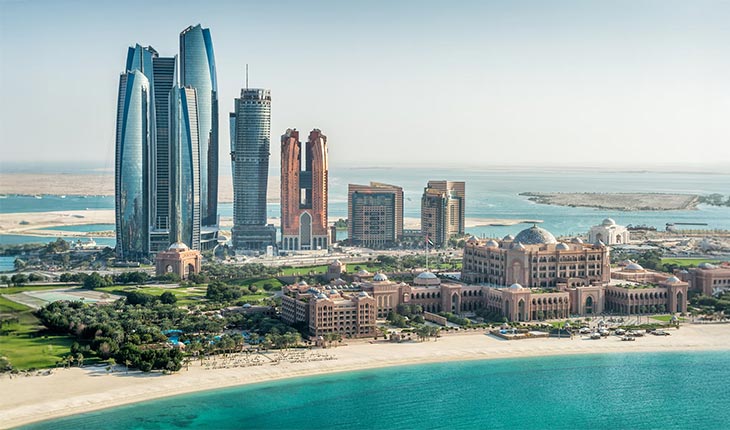
Why Abu Dhabi Keeps Standing Out
Abu Dhabi deserves its own conversation here, because what is driving this market runs deeper than what you see in most other cities in the region.
Demand in the capital is not being fueled by speculation or people trying to flip units for quick profit. It is being driven by real people making real-life decisions — families relocating for work, professionals choosing to settle down properly, and long-term residents upgrading their homes as the city continues to evolve around them. That kind of demand does not evaporate overnight.
And what makes it even more durable is everything supporting it underneath:
- Massive government-backed infrastructure projects are actively reshaping how communities connect and grow
- Limited supply in premium and established neighborhoods, which keeps genuine upward pressure on values where it matters most
- Strong and consistent rental yields, making buy-to-let strategies particularly attractive for investors who want returns they can rely on month after month.
- A well-structured regulatory environment that has been deliberately designed to attract serious, long-term capital and protect the people who bring it
For clients working with Gravity Real Estate in Abu Dhabi, what this means day-to-day is simple — the right property in the right location is not just holding its value. It is steadily and quietly building it.

The Supply Conversation Nobody Should Skip
Between 2025 and 2027, a significant wave of new residential units is being delivered across the UAE. This is one of the most consequential forces shaping the second half of 2026, and it is worth understanding properly rather than glossing over.
More supply is not automatically bad news. In fact, for buyers, it has created a noticeably healthier environment — better payment plans, more flexible terms, and developers who are genuinely motivated to close deals rather than simply wait out the queue. But not every area will absorb all this new inventory equally well, and that gap is where decisions get made or regretted.
Here is what it realistically breaks down to:
- Well-located, premium communities will continue to perform and attract demand
- Peripheral or oversupplied areas may experience slower appreciation or a temporary leveling off
- Developer reputation and project quality now carry far more weight than they did during the boom, when almost anything with a nice render sold itself.
This is exactly why working with people who genuinely know the local market matters more in a moment like this than it ever did when everything was simply going up anyway.
How Global Events Feed into All of This
The UAE property market does not exist in a bubble. It pulls heavily from international investors, cross-border capital, and the kind of global confidence that follows political and economic stability. A few things worth keeping an honest eye on heading into H2 2026:
- Geopolitical tensions in the broader region can create short-term hesitation among certain buyer profiles. But the consistent historical pattern is that when uncertainty rises globally, safe-haven destinations attract more capital — not less. The UAE has spent years building its reputation as exactly that kind of destination, and it shows.
- Oil prices remain a quiet but real background variable. Stable energy markets support government spending, business confidence, and general economic sentiment across the Gulf. The UAE’s diversification has meaningfully reduced its dependence on oil revenues, but that relationship has not disappeared entirely and remains worth watching.
- International capital flows continue to favor the UAE over a long list of competing markets. Property-linked residency programs, zero income tax, and the quality of daily life in cities like Abu Dhabi and Dubai keep the buyer pipeline healthy from Europe, Asia, and beyond — even as those regions face their own economic pressures.

Should You Actually Buy Right Now?
Here is the straightforward, no-fluff answer: this is not a moment to panic, and it is not a moment to sit frozen on the sidelines waiting for some perfect entry point that, realistically, is never coming.
The speculative frenzy has cooled. What has stayed behind is arguably the better version of this market — genuine demand, healthy rental yields, continued infrastructure investment, and conditions that reward people who do their homework rather than those who just move fast and hope for the best. Whether you are an end-user looking for a home you actually want to live in, or an investor looking for steady and meaningful returns, these are solid conditions to be making decisions in.
The UAE real estate market has grown. The opportunity has not gone anywhere. It has just become the kind of opportunity that belongs to people who understand it.