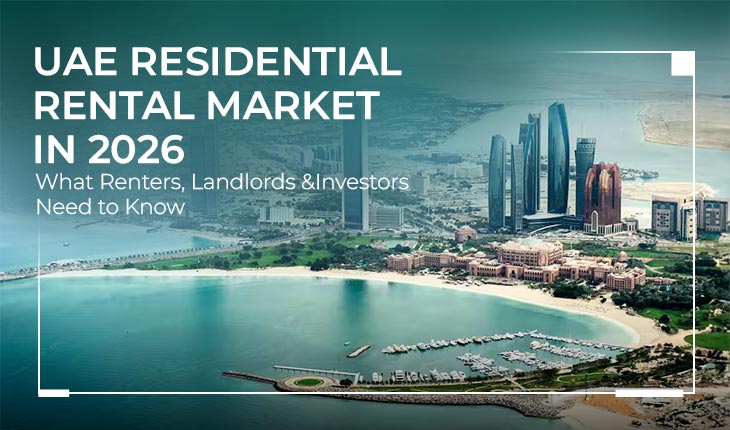
As the UAE’s property sector evolves into 2026, one of the most closely watched trends is the UAE Residential Rental market — especially in major hubs like Dubai and Abu Dhabi. Home rents have become a barometer of broader economic confidence, population growth, and supply-demand dynamics. For tenants, investors, and property developers alike, understanding where rental prices are heading is now a strategic imperative.
In this comprehensive analysis, we break down the most credible forecasts, emerging patterns, and actionable insights shaping residential rents across the UAE in 2026.
Current Snapshot: Strong Fundamentals, Slowing Momentum
Over recent years, UAE rents experienced substantial increases, driven by rapid population inflows, foreign investment, and economic diversification. However, market behavior is shifting as supply dynamics catch up with demand.
According to recent forecasts, Dubai’s residential rents may grow by up to 6 % in 2026, although at a much slower pace compared with the double-digit growth seen in previous years. This moderation reflects an increasingly balanced market where supply is beginning to meet demand more directly—a key indicator that the rental cycle is maturing.
Similarly, industry analysts anticipate moderate or even flat rental growth in the broader UAE residential market, depending on geography and property type.
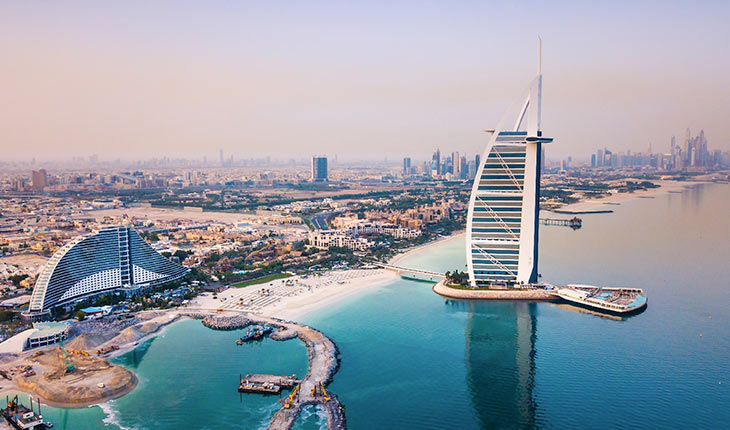
Dubai: Balanced Growth Rather Than Breakneck Increases
Dubai leads the UAE in rental activity, and its 2026 market is expected to show steady yet tempered rent increases:
Why Rents May Still Rise
- Population growth: Dubai’s population recently surpassed 4 million residents, maintaining strong rental demand.
- Premium properties remain strong: High-end apartments and villas in established master communities usually support resilient rents and yields.
UAE Residential Rental Market 2026: Why Growth Is Slowing
Despite strong fundamentals, rents are forecast to grow more slowly because of significant new housing supply deliveries scheduled over 2026. Large volumes of apartments, villas, and townhouses entering the market will create more choice for renters, exerting downward pressure on sharp rental hikes.
Furthermore, data suggests the recent stellar growth of rental rates is decelerating as the market becomes more stable and less speculative. Analysts have even pointed to the possibility of modest price corrections as new inventory alleviates the imbalance between supply and demand.
What This Means for Renters
If you’re a tenant, 2026 is likely to bring more negotiation leverage and a better variety in mid-market and affordable segments compared with the overheated conditions of the past few years. Areas with substantial new supply — such as Jumeirah Village Circle (JVC) and Dubai South — could become particularly attractive alternatives to historically expensive neighborhoods.
Example: Average Rent Dynamics
While prime locations may still edge upward in 2026, broader market growth is expected to moderate — with some forecasts suggesting single-digit increases or even flat rent trends in select segments.
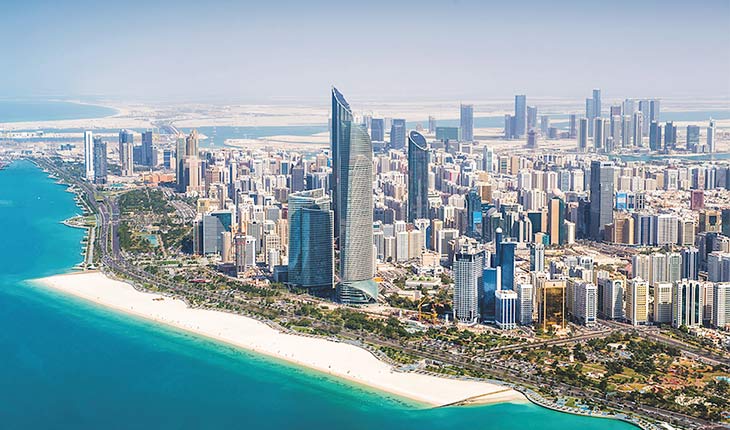
Abu Dhabi: Still Tight, Still Growing
In contrast to Dubai’s stabilizing market, Abu Dhabi’s rental segment is projected to remain tight with relatively stronger rent growth in 2026.
UAE Residential Rental Market 2026 Reports estimate that Abu Dhabi residential rents increased significantly in the previous year and are expected to continue growing, although at a slower pace than before. Population growth, limited new supply relative to demand, and strong economic fundamentals underpin this trend.
For investors and landlords, this suggests Abu Dhabi may offer more resilient rental yields compared to other Emirates, where supply levels are higher.

UAE Residential Rental Market: Supply, Demand, and the Rental Balancing Act
One of the biggest forces shaping the 2026 rental outlook is the entry of new housing supply:
Rising Inventory
Moodys and major real estate analysts project that hundreds of thousands of new units will be delivered across the UAE by 2026, significantly expanding the housing stock. This increase will inevitably offer more choices for renters and could slow rent growth — particularly in mid-market and suburban locations.
Supply vs Demand
While population growth remains strong, the gap between supply additions and tenant demand shows signs of narrowing. In practical terms, this means renters may find better negotiating power and rental terms, while landlords may need to rethink pricing strategies in some submarkets.
Trends Shaping the Rental Market
Beyond simple price forecasts, several broader trends are influencing the rental landscape:
Longer-Term Focus
As 2026 approaches, more tenants are opting for stability over short-term rentals — particularly families and professionals seeking long-term residency and predictability.
Technology and Market Transparency
The adoption of online rental indexes, digital lease platforms, and more transparent regulatory frameworks is helping both landlords and tenants make data-driven decisions.
Suburban and Emerging Areas
Suburbs and emerging communities are gaining traction due to more competitive prices and increased supply — giving tenants alternatives to traditional premium districts.
Practical Tips for 2026
For Renters
- Explore emerging communities: Areas like Dubai South, JVC, and other master-planned communities are likely to offer better value.
- Negotiate with data: Use market indexes and recent trends to support rental negotiations.
- Consider timing: Seasonal dynamics (e.g., relocation patterns between October and April) may create windows for favorable deals.
For Landlords & Investors
- Pricing strategy matters: As supply increases, competitive pricing could reduce vacancy and maintain yields.
- Target resilient segments: Premium apartments and villas in strategic locations may continue to command stronger rents.
- Stay informed: Rental index tools and transparent market data will be important for setting realistic rental expectations.
Final Outlook: Stability with Selective Growth
Looking across the UAE Residential Rental Market 2026 reflects a transition from rapid growth to sustainable stability. For Dubai, this means continued rent increases — but in a more measured and predictable format. In Abu Dhabi, tighter supply could keep rental growth comparatively stronger.
For tenants, this signals more breathing space and negotiation leverage. For landlords and investors, the emphasis shifts to strategic positioning, quality assets, and data-driven decisions.
Whether you’re renting, leasing, buying, or investing, staying ahead of these market movements will be crucial in 2026 and beyond.