If you’ve spent any time talking to buyers lately, you’ve probably heard some version of the same worry: “Will this property still be worth something in ten years?” It’s a fair question, and honestly, it’s the right one to be asking in a market that’s moving as fast as Abu Dhabi’s is right now.
Because here’s the thing, buyers aren’t just shopping for a nice unit anymore. They want to know that what they’re buying today will still make sense five, ten, fifteen years down the line. That’s really what we mean when we talk about a “future-proof” property. It has nothing to do with how modern or flashy something looks. It’s about whether the fundamentals are actually solid — location, infrastructure, sustainability, and long-term demand — so the investment keeps paying off long after move-in day.
So, what does that actually look like on the ground in Abu Dhabi? Let’s get into it.

Location Isn’t Just About Being Central Anymore
For years, “location, location, location” meant one thing: how close are you to the city center? That’s changed. In 2026, the smarter question is how close you are to the infrastructure that’s coming: the transport links, the main roads, the commercial hubs, the economic zones, the government projects that are already in motion or on the drawing board.
Why does this matter so much? Simple: better infrastructure means easier access, and easier access pulls in more people and more businesses. That demand doesn’t just sit there; it shows up in property values over time. Abu Dhabi’s own transport plans back this up, treating well-connected, sustainable transit as a core piece of how the city grows long-term.
Transport Access Has Become a Dealbreaker
This one ties directly into the point above, but it deserves its own mention because it’s become such a big factor on its own. Buyers are actively checking for:
- Train stations nearby
- Bus routes
- Highway access
- Cycling paths
- Neighborhoods you can actually walk around in
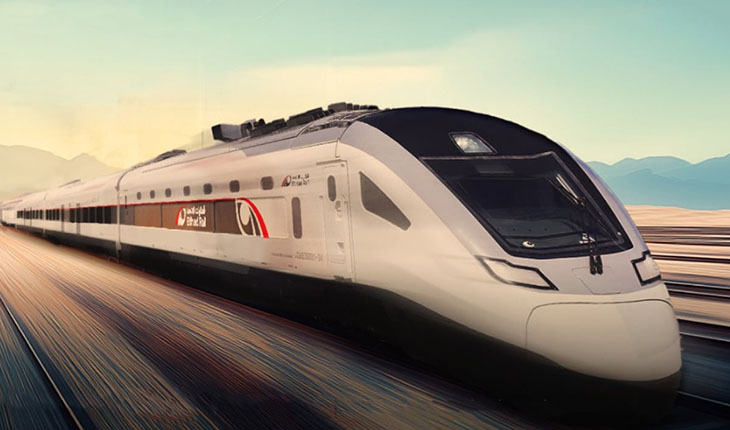
And as the city keeps building out its rail (Etihad Rail) and smart mobility systems, areas sitting close to these networks are the ones expected to see the strongest pickup in interest.

People Want a Community, Not Just a Unit
This is probably one of the biggest shifts we’ve seen. Buyers used to ask “how many bedrooms?” Now they’re asking, “What’s around it?” And that means:
- Schools and nurseries
- Hospitals and clinics
- Parks and green spaces
- Shopping centers
- Restaurants and cafés
- Places to work out or unwind
The newer developments across Abu Dhabi are clearly picking up on this; these amenities are being planned in from day one, not added as an afterthought. And that’s exactly why those communities end up so much more appealing to families and investors alike.

Sustainability Isn’t Just a Nice-to-Have Anymore
A few years ago, “sustainable building” might have sounded like a marketing checkbox. Not anymore. It’s now a genuine factor in how a property holds its value. We’re talking about things like:
- Energy-efficient design
- Smarter water use
- Eco-friendly building materials
- Lower emissions
- Layouts that actually cut down running costs
This fits right into Abu Dhabi’s broader climate strategy, which is pushing hard for more sustainable buildings and communities as part of its path toward climate neutrality. And practically speaking, a sustainable property isn’t just better for the environment; it’s cheaper to live in, which makes it easier to sell down the line.

The Smart Home Factor
Buyers today expect their home to keep up with them, technologically speaking. The features coming up again and again include:
- Smart home systems
- Lighting and AC can be controlled remotely
- Smart locks
- Intelligent security setups
- Smart energy meters
Government bodies are also weaving digital planning and data into how they design cities, which suggests we’ll keep seeing smarter, more efficient communities pop up across the emirate.
Does the Area Have a Real Plan Behind It?
Here’s a question worth asking before you buy anything: does this area actually have a development vision, or is it just sitting there hoping for the best? Things to check:
- Are there new projects already announced?
- Are schools or hospitals in the pipeline?
- Is the road network expected to improve?
- Are new services or facilities on the way?
Abu Dhabi’s government policies are built around long-term planning aimed at real economic growth and a better quality of life, not scattered, one-off projects. That kind of consistency is exactly what gives buyers confidence that an area isn’t just good today, but will keep getting better.
Don’t Skip the Developer’s Track Record
You could find the perfect location and still end up disappointed if the developer doesn’t deliver. So before signing anything, it’s worth digging into:
- Do they hand over projects on time?
- Is the construction quality actually good?
- How do they manage the property after handover?
- What’s their reputation like on past projects?
Getting this right lowers your risk significantly and helps protect your property’s value for years to come.
Think About Resale and Rental, Not Just Today
A genuinely good property isn’t just one you happen to like; it’s one that other people will still want to buy or rent later. That usually means it’s close to essential services, works for different kinds of buyers, sits inside a community that’s actually active, and keeps drawing interest.
Room for the Area to Grow
Before you commit, take a look at what else is happening nearby: new business districts, universities, hospitals, tourist spots, and entertainment projects. All of these tend to push demand up in the surrounding area as time goes on.
Lifestyle Comes Before the Property Itself
This might be the biggest change we’ve seen in buyer behavior, people are choosing a lifestyle first, then picking the property that fits it. Walkability, waterfront views, parks, sports clubs, beaches, good restaurants, things actually happening in the area, these all matter now. Communities that deliver on this front tend to hold their residents, and their value, far better than the ones that don’t.
A Quick Gut-Check Before You Buy
Before you commit to anything, ask yourself:
- Is it near transport that already exists or is coming soon?
- Are schools and hospitals within easy reach?
- Does the area have an actual government development plan?
- Is the building genuinely energy-efficient?
- Does it come with smart technology?
- Does the developer have a solid, proven track record?
- Is this an area good for both living and investing?
- Is there real rental and resale demand here?
If most of your answers are yes, you’re probably looking at more than just a property, you’re looking at something built to hold up, no matter where Abu Dhabi’s market heads next.
If you’re ready to invest in a future-proof property, talk to the Gravity Real Estate team today!