Let’s be honest — for years, the only real way to get between the emirates was by car. Traffic, tolls, the whole routine. That’s finally starting to shift with Etihad Rail’s passenger service, and if you’re paying attention to Abu Dhabi’s property market right now, you’ve probably noticed people talking about it for reasons that go way beyond trains.
At its core, this is a story about accessibility. And accessibility, more than almost anything else, drives property prices.
So, What’s Actually Happening?
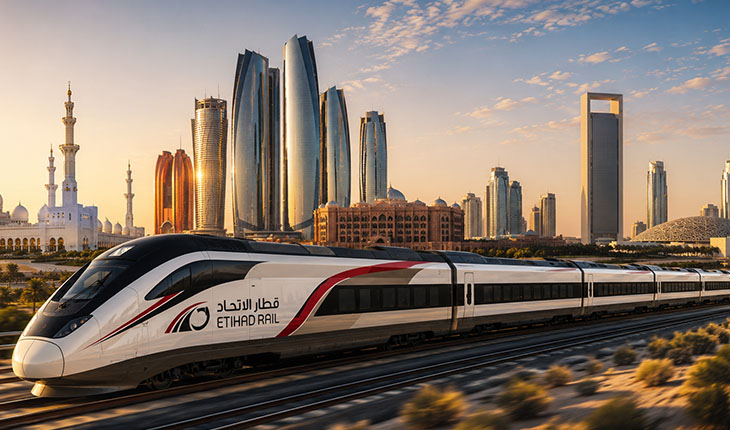
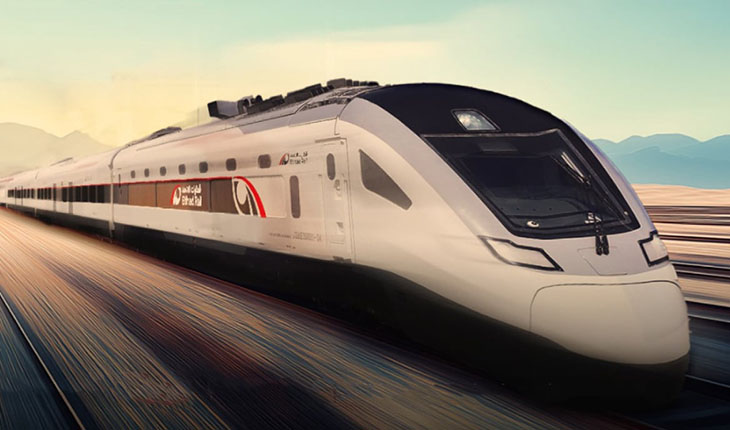
Passenger rail service launched on 30 June 2026, initially connecting Abu Dhabi and Fujairah. This will be followed by the full public launch on 30 September 2026, when the Dubai and Al Dhaid stations join the network. The trains operate at speeds of up to 200 km/h and can accommodate approximately 400 passengers per journey.
The journey between Abu Dhabi and Fujairah now takes just 1 hour and 45 minutes, compared to what previously could have taken an entire day.
Once the Abu Dhabi–Dubai route becomes fully operational, travel time will be reduced to approximately 57 minutes, a figure that is attracting significant investor attention.
Why This Kind of Infrastructure Changes Everything
Here’s the thing about real estate: people will always pay for convenience. Every time a city shortens the distance (or the time) between two points, the neighborhoods sitting near that new connection instantly become more interesting to buyers and renters. Not eventually. Almost right away.
Abu Dhabi’s first passenger station landed in Mohammed Bin Zayed City, and that alone has changed the conversation around the area. Places that used to feel “a bit out of the way” are now a short ride from a direct line connecting to other emirates.
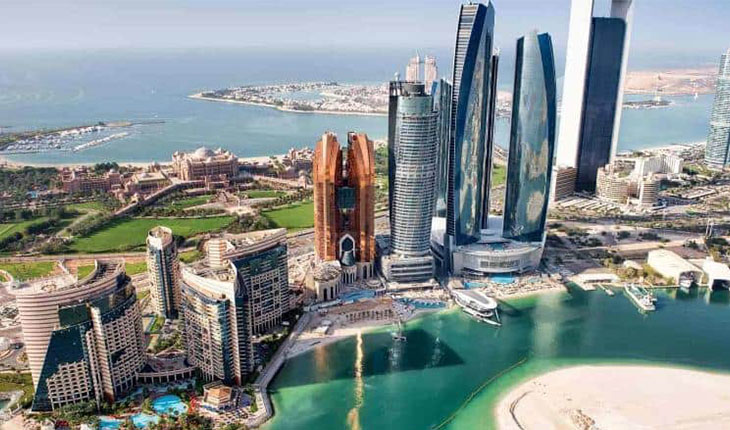
Which Areas Are Likely to Feel It First
Based on where the stations are and where the network is headed next, a few neighborhoods stand out:
- Mohammed Bin Zayed City — already home to Abu Dhabi’s first station, giving it a head start on everyone else
- Khalifa City — sitting close to key transport routes, which makes it an easy sell for renters who want convenience without central-Abu Dhabi price tags
- Madinat Zayed and the Al Dhafra region — part of the network’s next expansion phase
- Al Mirfa, Al Danna, and Al Sila’a — set to benefit once the western extension goes live
None of this is guesswork. It’s simply based on where the stations already are and where they’re going.

What It Means, Depending on What You’re Looking For
If you’re buying to live in, the appeal is straightforward: less time on E11, more flexibility to live a little further out without giving up convenience. It’s the kind of quality-of-life shift that quietly influences where families end up choosing to settle.
If you’re investing, the reasoning looks a bit different, but it lands in the same place. Better connectivity usually means:
- A bigger pool of people willing to rent in the area
- Fewer long vacancy periods, since more tenants are now considering the location
- More stable rental demand over time
And interestingly, transport-linked growth tends to favor mid-market properties before it touches luxury ones, mostly because the people commuting daily are usually families and working professionals, not the high-end buyer segment.
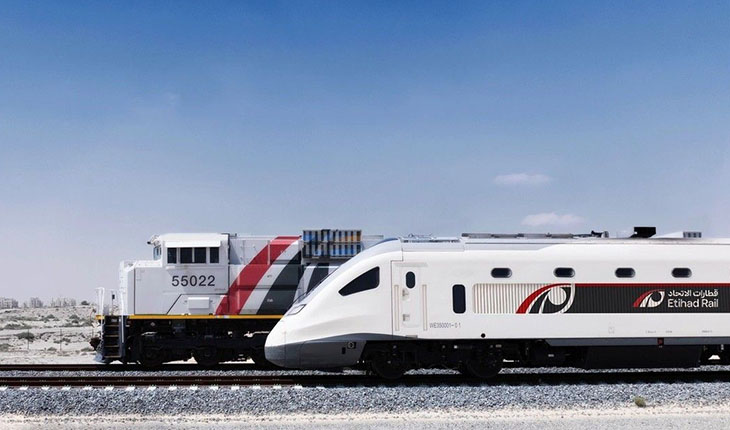
Beyond Residential: A Bigger Shift Around Stations
Look at any city with a strong rail network, and you’ll notice the same pattern near major stations: developers move in with mixed-use projects: apartments, retail, cafés, offices, and everyday essentials, all in one place.
Abu Dhabi is likely headed in the same direction, with Etihad Rail stations becoming anchors for new development, rather than just stops on a map.
This isn’t only about housing, either. Retail spaces, hotels, and office buildings near stations could also see a significant boost, simply because more people will be passing through these areas every day.
A Necessary Reality Check
You’ll probably see numbers floating around online — “prices up 20%,” “rents jumping 30%” — all tied to Etihad Rail.
The reality is that no UAE government authority has released official figures confirming any specific percentage increase.
What we do have is a well-established pattern seen in cities around the world: better transport access increases demand, and higher demand eventually influences property values.
The exact numbers for Abu Dhabi are still unfolding, so any specific percentage should be treated as an estimate rather than a confirmed fact.

Thinking About Buying or Investing?
This isn’t a short-term trend. It’s a long-term transformation in how Abu Dhabi connects with the rest of the UAE.
Areas such as Mohammed Bin Zayed City today, and Khalifa City as the network expands, are worth watching closely through 2027.
If you’re considering buying a home or making an investment in Abu Dhabi, and you’d like to understand which locations are genuinely positioned to benefit from Etihad Rail, our team at Gravity Real Estate is here to help, whether you’re searching for a family home, a rental investment, or a long-term growth opportunity.
The train is already moving. The real question is: will your next property move be on board?